
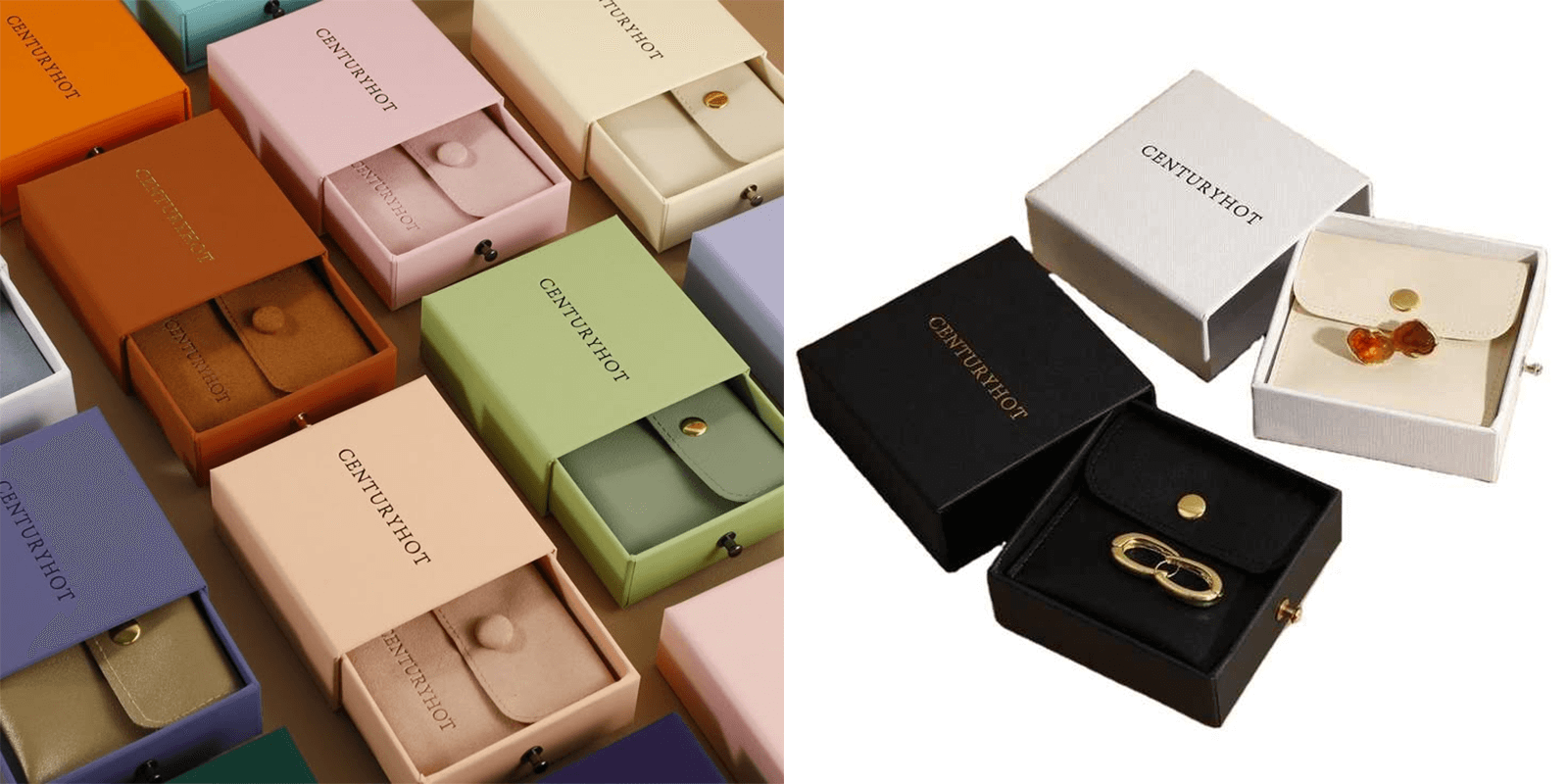
In the competitive world of luxury goods, jewelry packaging is far more than a protective layer—it’s a silent salesperson, a storyteller, and a bridge between your brand and its audience. For brands targeting markets as diverse as Europe, the Middle East, Australia, and New Zealand, designing packaging that resonates culturally, protects precious pieces, and elevates perceived value is a strategic challenge. To demystify this process, let’s break down the jewelry packaging design mindset using a structured “mind map” approach, ensuring your designs captivate global buyers.
At the heart of every jewelry packaging design lies three pillars:
- Protection: Safeguarding delicate pieces from scratches, impacts, and environmental damage.
- Brand Communication: Translating your brand’s identity, heritage, and values into visual and tactile language.
- Delight: Crafting an unboxing experience that leaves a lasting impression, turning first-time buyers into loyal advocates.
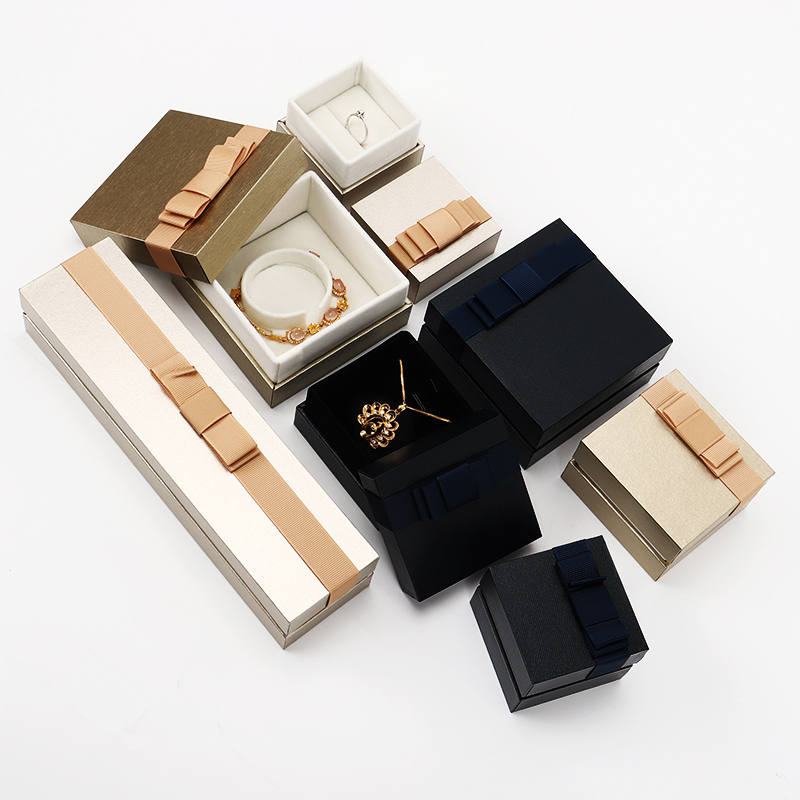
Canfei Packing experts map these pillars into actionable design elements, tailored to global markets.
1. Cultural Sensitivity: Speak the Local Language
Global audiences connect with packaging that reflects their cultural identity. For Middle Eastern markets, this means integrating motifs like Islamic geometric patterns, Arabic calligraphy, or warm metallic tones (gold, copper) that align with regional aesthetics. Brands like Sulheimah Cosmetics (UAE) and Egyptian Queen (Egypt) excel here, using heritage-inspired designs to reinforce luxury.
In Europe, particularly Western markets, minimalist, understated elegance often reigns—think sleek monochrome or neutral palettes with subtle brand logos. Australian and New Zealand consumers, meanwhile, increasingly value eco-consciousness paired with clean, modern designs that reflect their love for nature. Avoid universal “one-size-fits-all” approaches; instead, research local symbols, color preferences, and taboos (e.g., alcohol-related imagery in conservative Middle Eastern regions) to ensure relevance.
2. Brand Storytelling: Turn Packaging into a Narrative
Your packaging should tell a story—one that aligns with your brand’s DNA. Ask: What makes your jewelry unique? Is it a legacy of artisanal craftsmanship, a commitment to ethical sourcing, or a modern packaging design philosophy?
- Material Choice: Use premium textures (suede liners, embossed leather, matte or glossy finishes) to signal luxury. For example, a Qatari jewelry brand might incorporate local silver filigree patterns into box inserts, tying the product to regional craftsmanship.
- Visual Hierarchy: Highlight key details like metal purity (e.g., “18K Gold”), gemstone origin, or limited-edition status with callouts, holographic stickers, or foil stamping. This builds trust and exclusivity.
- Emotional Resonance: For gifting-centric markets (e.g., Saudi Arabia’s wedding seasons or UAE’s Eid celebrations), design boxes with reusable elements—like decorative outer sleeves or keepsake inner trays—to transform packaging into a memento.
3. Protection: Engineering Precision
Jewelry’s vulnerability demands packaging that’s both beautiful and functional. Start with inner protection:
- Buffering Materials: Foam inserts, velvet pads, or custom-molded trays prevent movement and scratches.
- Closure Systems: Magnetic clasps, ribbon-tied closures, or interlocking lids ensure secure sealing, deterring tampering (critical for anti-counterfeiting in GCC markets).
Outer Durability: Middle Eastern climates, with extreme heat and humidity, require boxes that resist warping or discoloration. Opt for high-quality corrugated cardboard, water-resistant coatings, or UV-blocking finishes (popular in UAE and Oman).
4. Sustainability: Align with Global Values
Consumers worldwide—especially in Europe, Australia, and New Zealand—are demanding eco-friendly packaging. Even in the Middle East, cities like Abu Dhabi and Riyadh are pushing circular economy initiatives.
- Eco-Materials: Use FSC-certified paper, plant-based inks, or recycled PET laminates. Brands like Dubai’s Nourish Beauty lead by example, blending sustainability with luxury.
- Minimalism: Reduce excess layers without sacrificing protection. For instance, a Saudi Arabian jewelry OEM might adopt sleek, single-wall paper boxes with functional yet elegant design.
- Recycling Infrastructure: Partner with local recyclers (e.g., UAE’s Abu Dhabi Recycling) to offer take-back programs, turning packaging into a tool for brand loyalty.
5. User Experience (UX): From Unboxing to Display
The “unboxing ritual” is a critical touchpoint. Ensure the journey is seamless:
- Ease of Opening: Balance security with accessibility. A sharp, clean fold or a hidden ribbon pull can elevate the experience, avoiding frustrating glue or complex closures.
- Tactile Pleasure: Incorporate textures (smooth paper, embossed logos) and sensory elements (subtle fragrance from eco-friendly perfumed inks) to create memorable interactions.
- Display Potential: Design boxes that double as display units. Clear acrylic windows (popular in European luxury brands) or openable lids with magnetic holds let buyers showcase pieces post-purchase, extending the packaging’s utility.
To design jewelry packaging that thrives globally, start with your brand’s core values, then layer in cultural relevance, protection, sustainability, and UX. By mapping these elements, you’ll create packaging that doesn’t just contain your jewelry—it elevates it.
 You Can Get the Best Prices By Calling US: +86-189-3803-5880, +86-0755-85221289
 EMAIL: canfei@paperboxsupply.com
 ADDRESS: No.1204 Xiashuijing Building No.250 Jihua Road Longgang District Shenzhen City Guangdong Province China


2 thoughts on “Unlock the Secrets of Jewelry Packaging Design: A Mind Map Guide for Global Brands”