
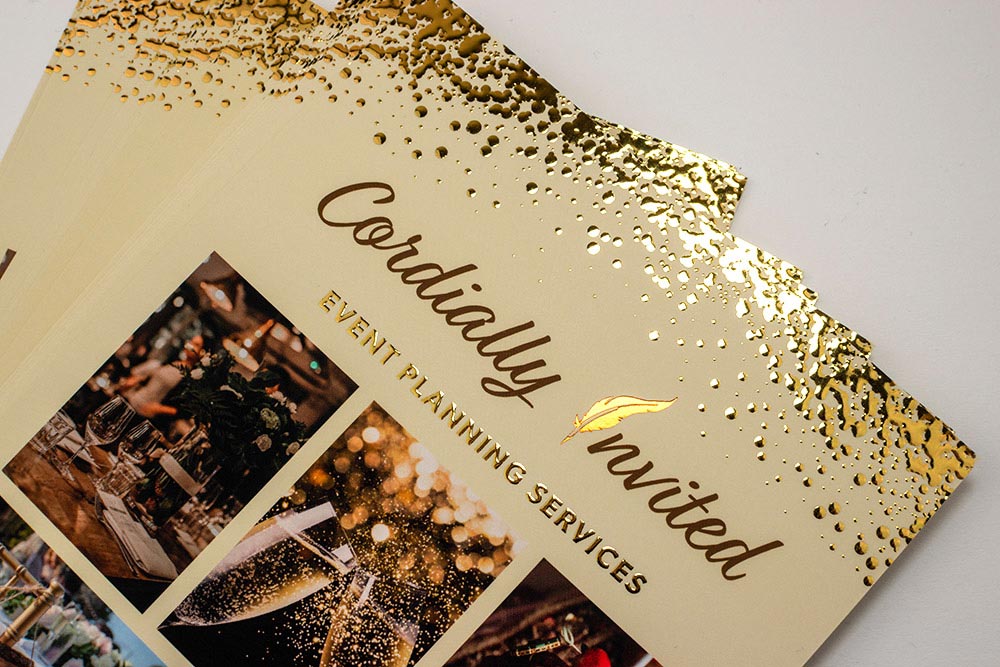
The first touch is a promise. In the silent, powerful moment before a box is opened, its surface texture speaks. For a luxury perfume, a high-end watch, or a piece of fine jewelry, this initial tactile impression is as critical as the visual design. It sets the stage for the brand story about to unfold. At the heart of this sensory introduction lies a sophisticated pairing: the understated elegance of a soft-touch matte finish combined with the radiant precision of gold foil stamping. This isn’t just decoration; it’s a calculated application of materials science and craft, designed to evoke specific emotions and reinforce brand prestige.
As a packaging engineer, canfeicn often see brands drawn to this combination for its undeniable appeal, yet many lack a deep understanding of the “why” and “how” behind its success. This guide pulls back the curtain on this iconic luxury finish. We’ll dissect the materials, decode the manufacturing process, and explore how this specific pairing creates a tangible competitive advantage for discerning brands.
Material Science: The Foundation of the Feel
Before any foil is applied, the substrate—the canvas—must be meticulously chosen. A true soft-touch matte finish is more than just a lack of shine; it’s a specific tactile coating.
- The Canvas: Specialty Art Papers. We typically recommend high-density, solid bleached sulfate (SBS) paperboard as the base for its rigidity and smooth surface. Wrapped around this structure are specialty art papers designed to enhance the matte effect. Papers with natural fibers, such as those containing cotton, provide a subtle, organic texture. Modern alternatives include sophisticated coated papers where the matte coating is factory-applied, ensuring unparalleled consistency. The choice here dictates the final hand-feel, from a velvety suede-like sensation to a smooth, cool silk-like touch.
- The Coating: A Layer of Perception. The soft-touch effect is often achieved through a specialized matte lamination or a spot-UV coating with a matte additive. This layer is microscopically textured to scatter light diffusely (creating the matte look) and to reduce surface friction (creating the soft feel). Crucially, this coating must be chemically formulated to be receptive to the heat and pressure of the subsequent foil stamping process without cracking or yellowing.
Foil Stamping: The Art of Metallic Precision
This is where science meets spectacle. Hot foil stamping involves using a custom-made, magnesium or brass die, heated and pressed against a thin metallic film (the foil), transferring the foil’s pigment or metallic layer onto the substrate.
- Foil Selection: Beyond Gold. While classic gold (in various shades from pale to rich) is perennial, the palette extends to silver, rose gold, copper, and even custom holographic or pigment foils. For true luxury, the quality of the foil is paramount. Premium foils offer higher metallic content, resulting in a deeper, more reflective finish that resists tarnishing. The foil’s release layer must be engineered to cleanly separate from the carrier film only under the exact conditions of the stamping process, ensuring crisp, flawless edges on even the most intricate logos or fine-line patterns.
- Die-Making & Registration: The Engineering Challenge. Crafting the stamping die is a precision art. For a crisp, deep impression that complements the soft matte background, the die must be expertly engraved. The real technical challenge lies in multi-pass registration. Achieving perfect alignment when stamping different foil colors (e.g., gold text next to a silver emblem) or stamping over a pre-printed area on a textured matte surface requires advanced machinery with micron-level precision and expert operator skill. A misalignment of even half a millimeter is unacceptable in luxury packaging.
The Synergy: Why This Pairing Captivates

The magic of this combination is rooted in contrast and sensory layering.
- Visual-Tactile Dissonance: The eye sees a rich, reflective metallic element that appears as if it should feel cool and smooth. The hand, however, encounters the warm, velvety resistance of the matte field surrounding it. This delightful dissonance creates cognitive engagement, making the unboxing experience memorable and “expensive-feeling.”
- Focus and Legibility: The matte background absorbs light, reducing glare and creating a serene, focused stage. The stamped foil, by sharply reflecting light, instantly draws the eye to the brand’s most important asset: its logo or emblem. This ensures maximum brand recognition and perceived value from the very first glance.
- Emotional Resonance: Matte finishes are often psychologically associated with sophistication, modernity, and understated confidence (think “quiet luxury”). Metallic gold evokes tradition, value, achievement, and warmth. Together, they communicate a balanced brand narrative: one that is both forward-looking and grounded in enduring quality.
Sustainability in the Equation
The demand for luxury no longer exempts brands from environmental responsibility. This process can be adapted sustainably. The paperboard base can and should be FSC-certified, ensuring responsible forestry. The specialty papers can incorporate recycled content. Innovations in plant-based or biodegradable film laminates are emerging to provide similar soft-touch effects. Even foil manufacturers are developing more eco-friendly carrier films. The key is to work with a supplier who can navigate these options without compromising the essential sensory qualities of the final product.
A Note on Quality Control: Non-Negotiables
For a finish this dependent on perfection, quality control is relentless. Every batch must be inspected for:
- Color Consistency: The hue of the foil must match the approved Pantone standard exactly, batch after batch.
- Tactile Uniformity: The soft-touch coating must be even across the entire surface, with no glossy patches or rough spots.
- Stamping Integrity: Zero foil breaks, no bleeding at the edges, and absolute registration accuracy. The stamped area should be smooth to the touch, not raised in a way that might snag.
Choosing a soft-touch matte with gold foil stamping is not merely selecting a packaging finish; it is investing in a tactile brand signature. It tells your customer, before they even see the product, that you value detail, understand sensory marketing, and are committed to an experience that begins at their fingertips.
Canfei Packing have been engineered this process for brands across cosmetics, jewelry, and spirits, using automated foil stamping presses and AI-driven optical inspection systems to ensure every paper box not only meets but exceeds the exacting standards of luxury market.
Ready to translate your brand’s essence into a tangible, unforgettable unboxing experience? [Request a free physical mock-up] to feel the difference that true material and process expertise makes. Let’s discuss how the precise alchemy of touch and light can elevate your next product launch.
 You Can Get the Best Prices By Calling US: +86-189-3803-5880, +86-0755-85221289
 EMAIL: canfei@paperboxsupply.com
 ADDRESS: No.1204 Xiashuijing Building No.250 Jihua Road Longgang District Shenzhen City Guangdong Province China

