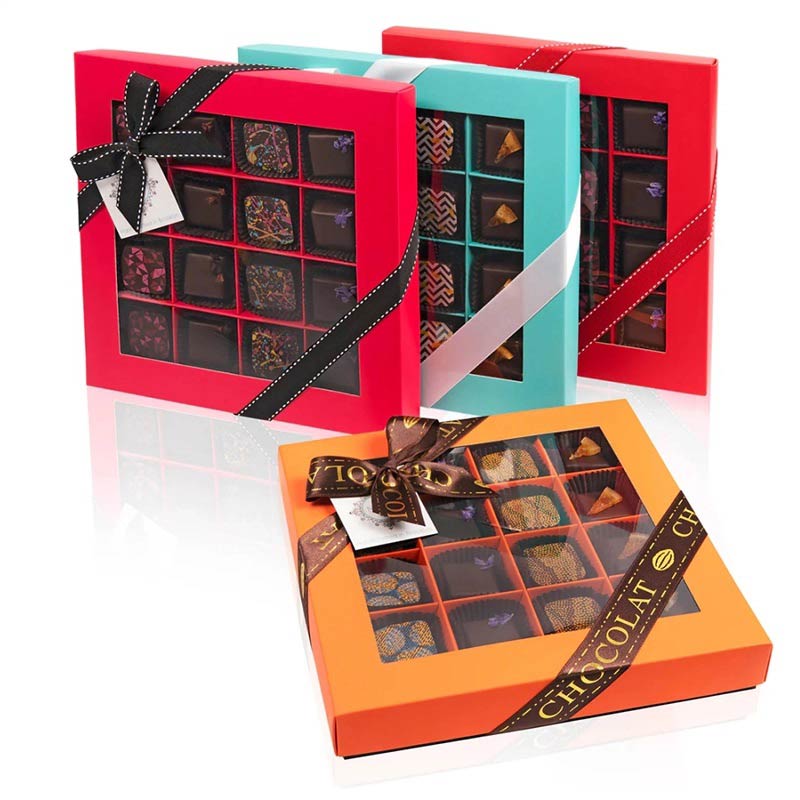
With 68% of global consumers saying they’d pay more for sustainable brands (Nielsen), artisanal chocolate businesses can’t afford to let packaging be an afterthought. Yet many small to mid-sized brands still make avoidable mistakes in their custom chocolate paper packaging box design—mistakes that dilute brand trust, confuse customers, and leave money on the table. Let’s break down the top pitfalls and how to fix them, with an eye on 2025’s shifting trends.
Mistake 1: Overlooking Brand Consistency—Your Box Should Scream “You”
The Error: Mismatched Visual Identity
A small-batch chocolate brand prides itself on a rustic, farm-to-table image—their website uses earthy browns, a handwritten font, and photos of cocoa farms. But their custom chocolate paper packaging box is a bright white with a modern sans-serif font. Customers don’t connect the box to the brand they fell in love with online.
The Fix: Make Your Box a Brand Extension
Your packaging should be a physical reflection of your brand identity. To fix inconsistency:
- Use your logo’s color palette (e.g., if your brand is bold red, the box should feature that hue—not a random pastel).
- Stick to consistent fonts (e.g., if your website uses a serif font for elegance, the box should too).
- Place your logo prominently (but not overwhelmingly) to reinforce recognition.
Real-World Example: Godiva’s gold-and-black boxes are instantly recognizable—even without the logo, customers associate that color scheme with luxury chocolate. Consistency builds trust.
Mistake 2: Ignoring User Experience—Functionality Beats Minimalism Every Time
The Error: Confusing or Inconvenient Design
A minimalist brand uses a sleek black box with no ingredient list, resealing option, or brand story. First-time buyers don’t know if the chocolates are vegan, and once opened, the chocolates go stale. Repeat purchases? Unlikely.
The Fix: Design for Your Customer, Not Just Aesthetics
Functionality is non-negotiable for branding through chocolate packaging. To improve UX:
- Add a QR code linking to a product page (ingredients, sourcing, or a video about your brand).
- Use tamper-evident seals to build trust (customers want to know their chocolate is safe).
- Include a resealable tab (like Lindt’s) to keep chocolates fresh—small details drive loyalty.
Real-World Example: Lindt’s tear-off tab lets customers reseal their chocolate boxes effortlessly. It’s a simple fix that solves a major pain point: stale chocolates.
Mistake 3: Underestimating Material Impact—“Eco-Friendly” Isn’t Just a Buzzword
The Error: Greenwashing with Inconsistent Materials
A brand claims to be “sustainable” but uses recycled paper with a glossy plastic coating. Eco-conscious customers see through it—62% of consumers say they can spot greenwashing (McKinsey).
Choose Materials That Align with Your Values
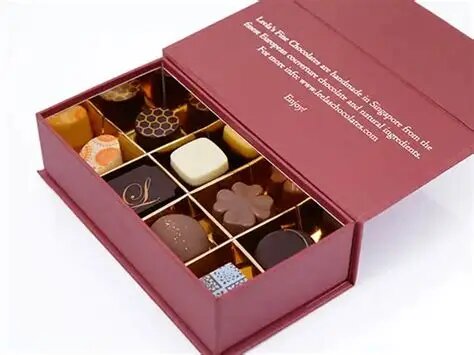
Eco-friendly chocolate packaging solutions aren’t just about using recycled paper—they’re about consistent sustainability. Opt for:
- FSC-certified paper: Ensures the paper comes from responsibly managed forests.
- Soy-based inks: Non-toxic and better for the environment than petroleum-based inks.
- Compostable inserts: Replace plastic trays with biodegradable options (like Taza Chocolate’s compostable boxes).
Real-World Example: Taza Chocolate uses 100% compostable boxes with no plastic linings. Their packaging matches their “simple, sustainable” brand promise—and customers notice.
2023 vs. 2025: How Chocolate Packaging Trends Have Evolved
In 2023, sustainable packaging for small businesses was about “less”—minimalist designs, recycled materials, and simple branding. In 2025, it’s about “more”:
- Biodegradable inserts: Replace plastic trays with plant-based options that break down in 6–12 months.
- AR packaging: Add augmented reality codes that let customers “visit” your cocoa farms or watch a chocolate-making tutorial.
- Personalization: Print custom messages (e.g., “Happy Birthday, Sarah!”) or let customers choose their box design.
The shift? From “functional” to “immersive.” 2025’s luxury chocolate box design trends combine elegance with purpose—your box should tell a story, not just hold chocolates.
Frequently Asked Questions (People Also Ask)
Q: How to make custom chocolate packaging cost-effective?
A: Opt for simple designs (less printing = lower cost), order in bulk (economies of scale), and use standard box sizes (custom sizes are more expensive). Sustainable packaging for small businesses doesn’t have to break the bank—focus on materials that align with your brand without overcomplicating.
Q: What are the top luxury chocolate box design trends 2025?
A: 2025 trends include biodegradable inserts, augmented reality (AR) packaging (that tells your brand story), and personalized touches (like custom messages on the box). Luxury chocolate box design trends 2025 are all about combining elegance with purpose.
Conclusion: Your Box Is a Brand Ambassador—Treat It Like One
Your custom chocolate packaging box is the first physical interaction customers have with your brand. Avoiding these three mistakes (brand inconsistency, poor UX, greenwashing) and aligning with 2025 trends (biodegradable materials, AR, personalization) can set your business apart.
Now, ask yourself:
- Does my box reflect my brand values?
- Is it functional for customers?
- Is it truly sustainable?
If not, it’s time to iterate. Ready to take the next step? Check out Canfei Packing’s guides on how to design a sustainable chocolate box and top 10 eco-friendly packaging suppliers.
Your chocolate is special—your packaging should be too. Let’s make it count.
 You Can Get the Best Prices By Calling US: +86-189-3803-5880, +86-0755-85221289
 EMAIL: canfei@paperboxsupply.com
 ADDRESS: No.1204 Xiashuijing Building No.250 Jihua Road Longgang District Shenzhen City Guangdong Province China

